Beverage Manufacturing

Application overview

Fruit concentrates as functional beverage ingredients

Juice concentrates provide fruit flavor, soluble solids, sugars, organic acids and color contribution in a format containing substantially less water than NFC juice. This makes them useful for industrial beverage plants where formulation control, freight efficiency and repeatable batching are important.

The fruit itself remains critical. Mandarin and tangerine concentrates provide citrus aroma and citric acidity, strawberry contributes softer berry character, raspberry and blackberry are considerably more acid-forward, blueberry provides dark berry flavor and color, while tart cherry delivers pronounced red-fruit character with predominantly malic acidity.

Because these fruits behave differently, beverage qualification should evaluate Brix, titratable acidity, pH, pulp or clarity, color, specific gravity, aroma and the intended reconstitution or use rate rather than treating all 65° Brix concentrates as interchangeable.

Define the concentrate's role before setting the specification

Decide whether the ingredient is the primary characterizing juice, one component of a fruit blend, a source of acidity, a color contributor or a secondary flavor layer. That role determines which analytical and sensory limits need the tightest control.

Make sourcing decisions from the finished beverage backward

Tell the supplier whether the concentrate will be used in a still beverage, carbonated drink, functional beverage, syrup base, frozen beverage, tea, foodservice concentrate or another system. Include the actual processing route so the commercial sample can be evaluated after dilution, mixing, heat treatment, carbonation or refrigerated storage as applicable.
Qualification reminder: Fruit concentrates are agricultural ingredients. Brix, acidity, pH, pulp, color, flavor, origin and storage requirements vary by fruit, crop, processor and supplier. Commercial approval should use the current specification and Certificate of Analysis for the offered source.
Fruit profiles

Representative concentrates used in beverage manufacturing

The examples below show why fruit identity matters even when several products are commercially supplied at approximately the same concentrate Brix.

Blood orange Deep citrus character

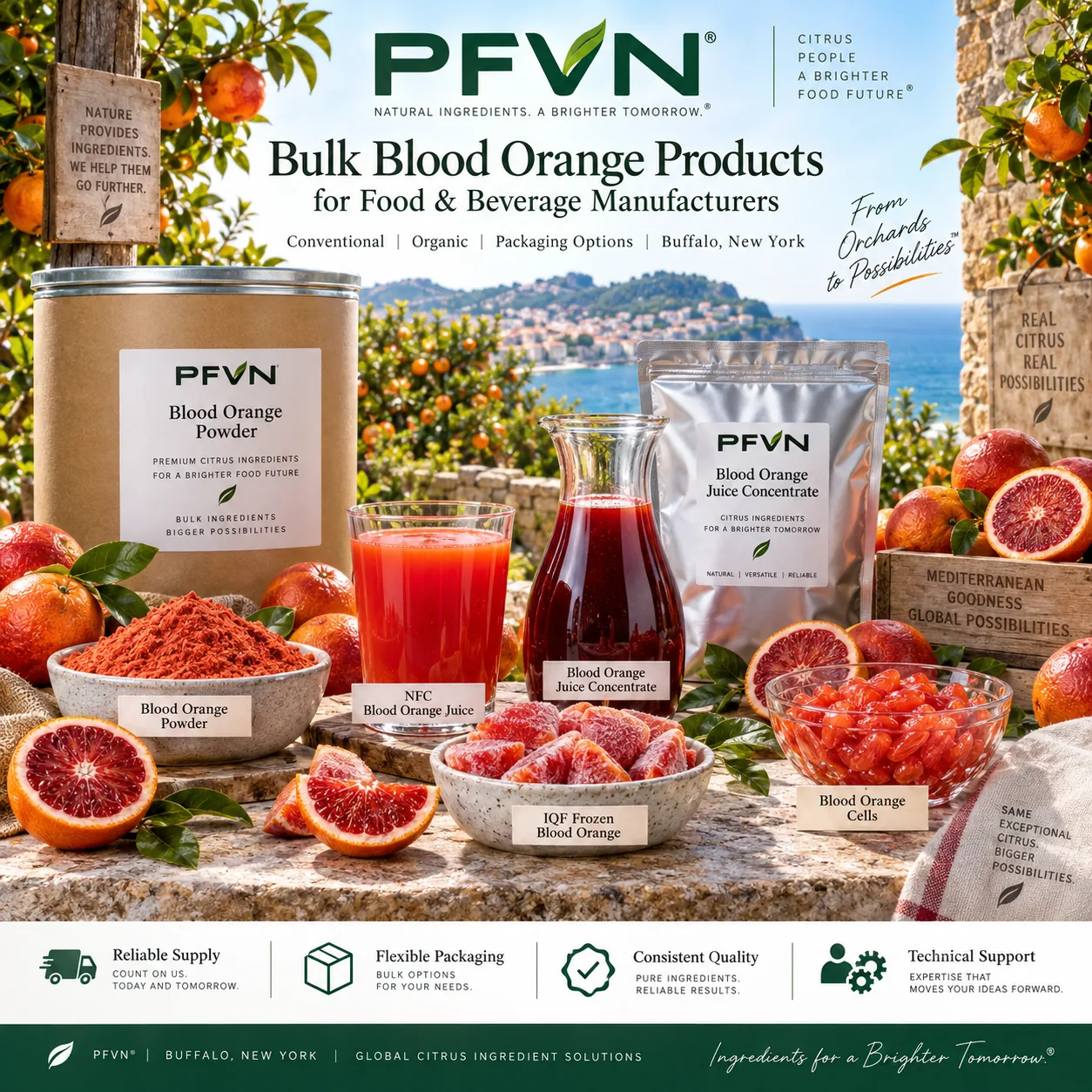
Blood orange combines familiar orange aroma and citric acidity with a distinctive red-to-purple visual profile. It is useful in premium citrus drinks, sparkling beverages, cocktail-style mixers and citrus-berry blends.

Color should be evaluated after dilution, heat treatment and storage because the finished shade can respond to formulation pH, oxygen and processing conditions.

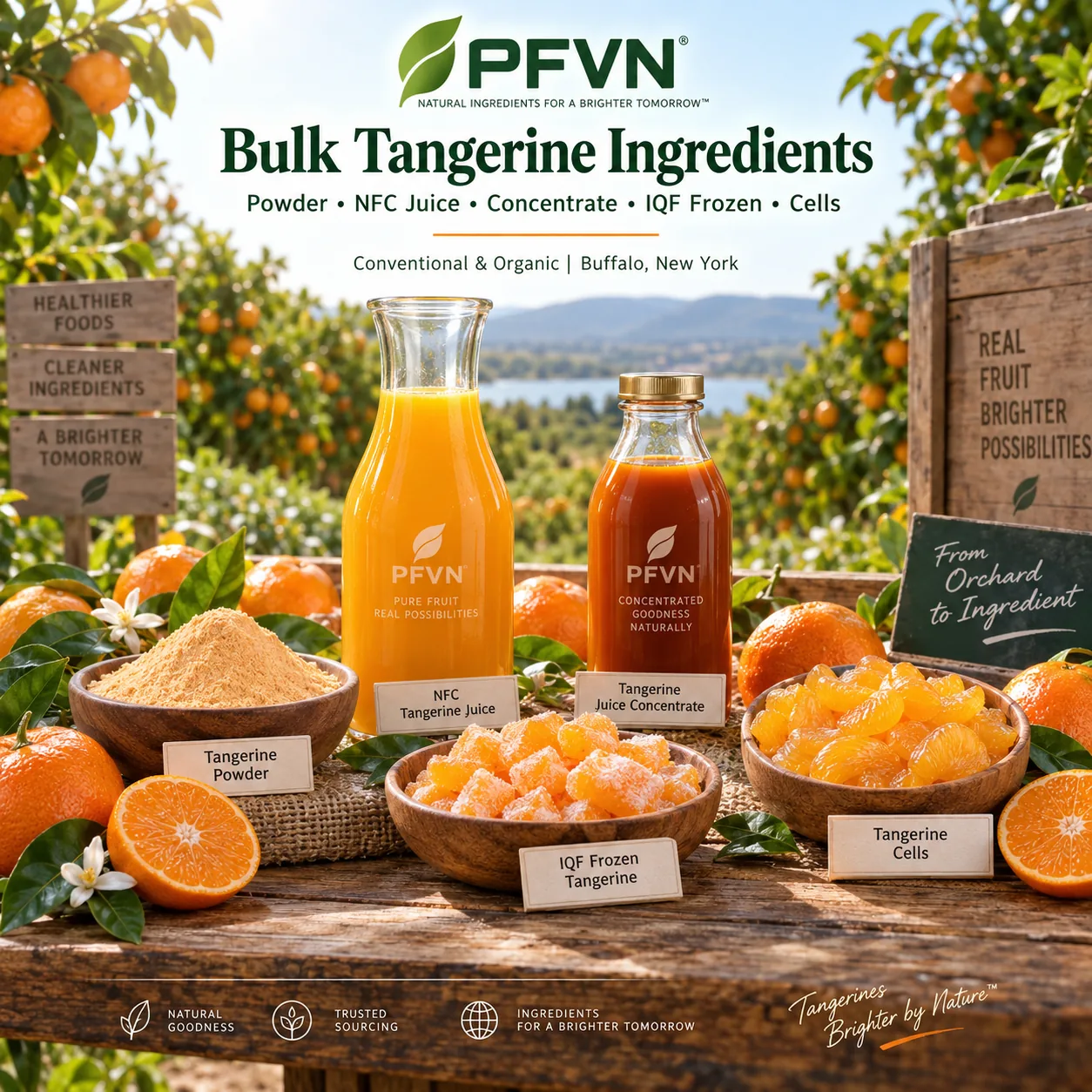
Mandarin & tangerine Sweeter aromatic citrus

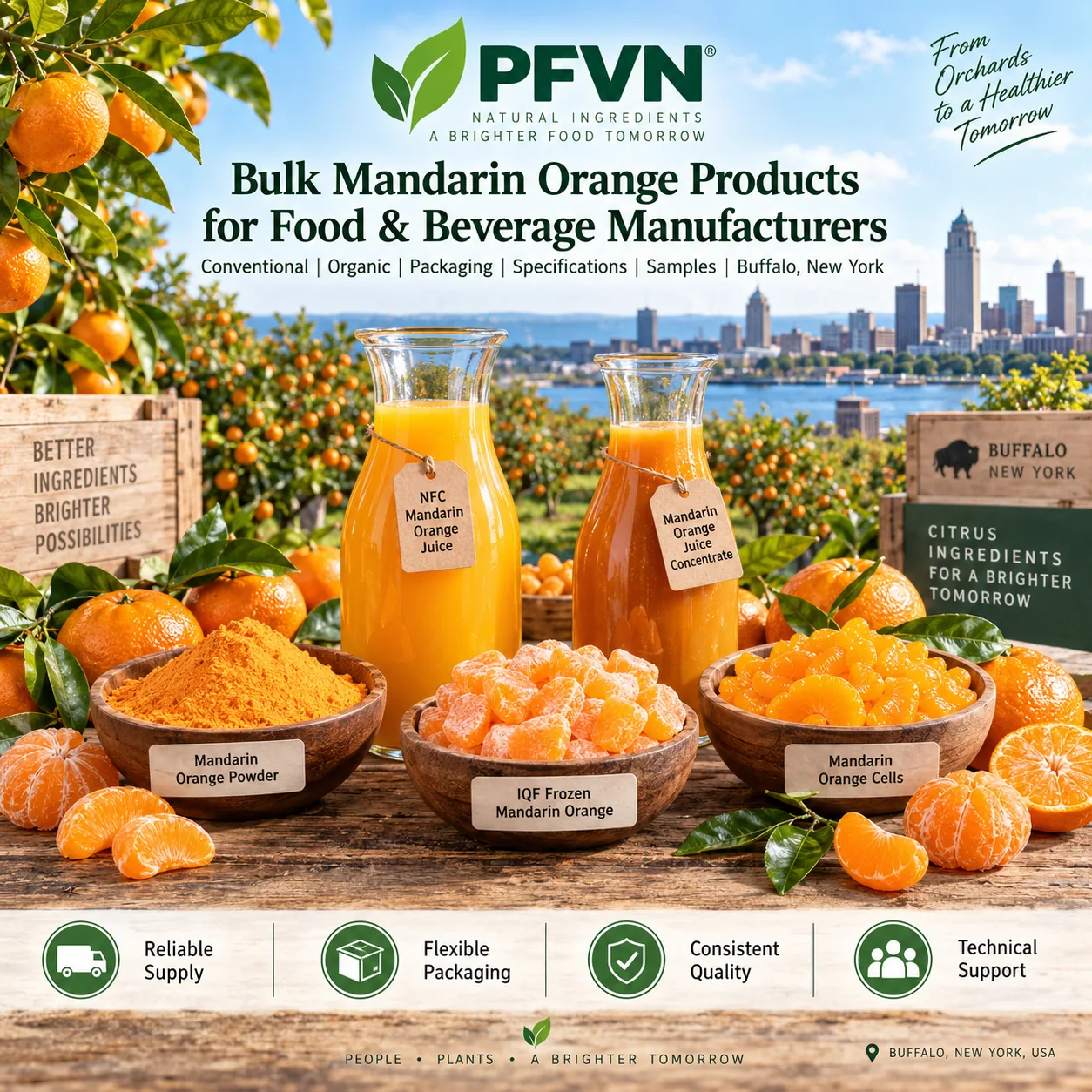
Mandarin and tangerine generally provide a softer, highly aromatic citrus profile compared with sharper lemon or grapefruit.

Representative commercial concentrates are around 65° Brix, with a single-strength reference near 11.8° Brix, pH roughly 2.8–4.0, citric acidity and defined pulp ranges depending on the product.

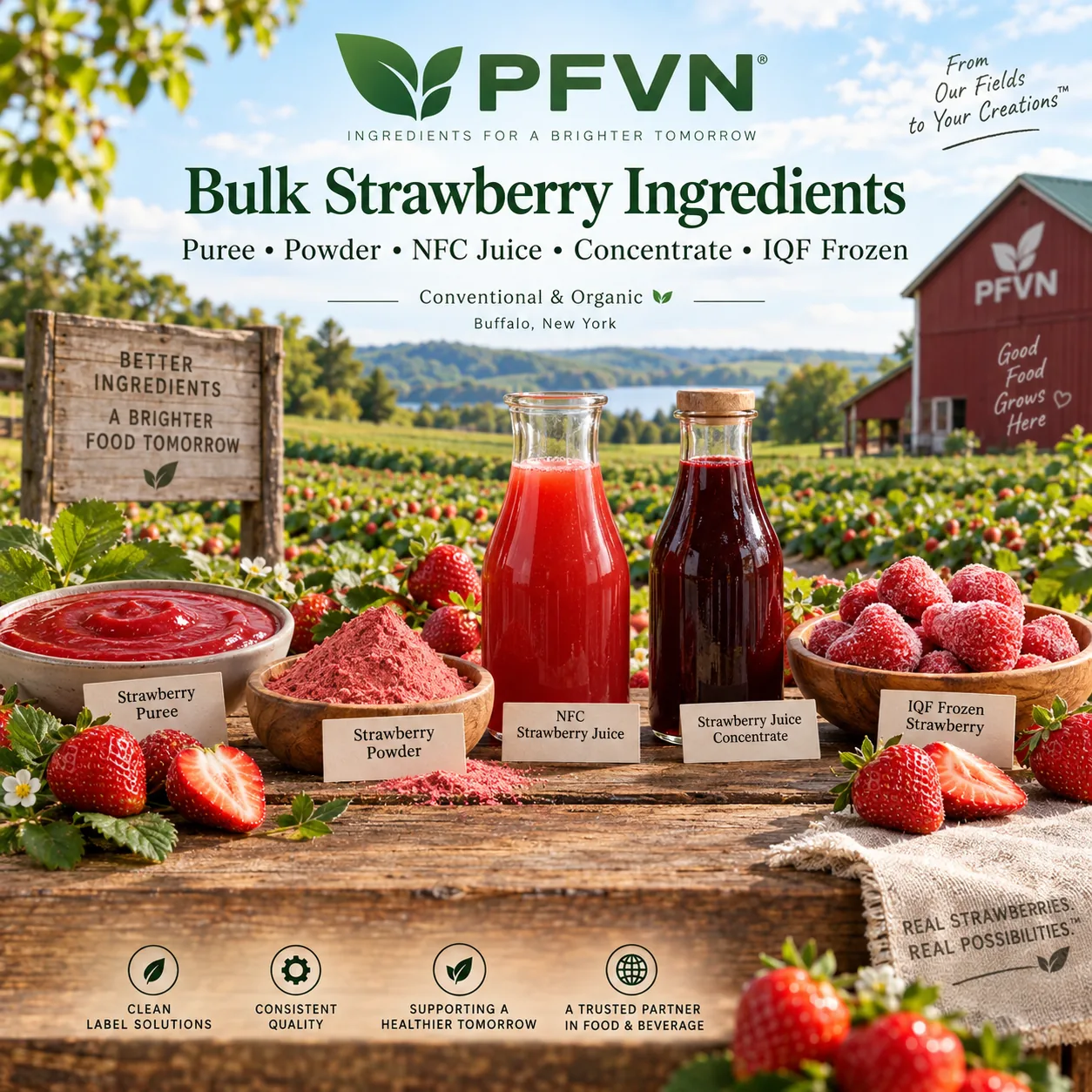
Strawberry Soft red-berry profile

Strawberry offers familiar berry aroma and red-fruit character but is typically less intense than raspberry or blackberry. It works well in dairy-style drinks, lemonades, smoothies and mixed-berry beverages.

A representative commercial concentrate is around 65° Brix, pH approximately 2.8–4.2, with an 8° Brix single-strength reference.

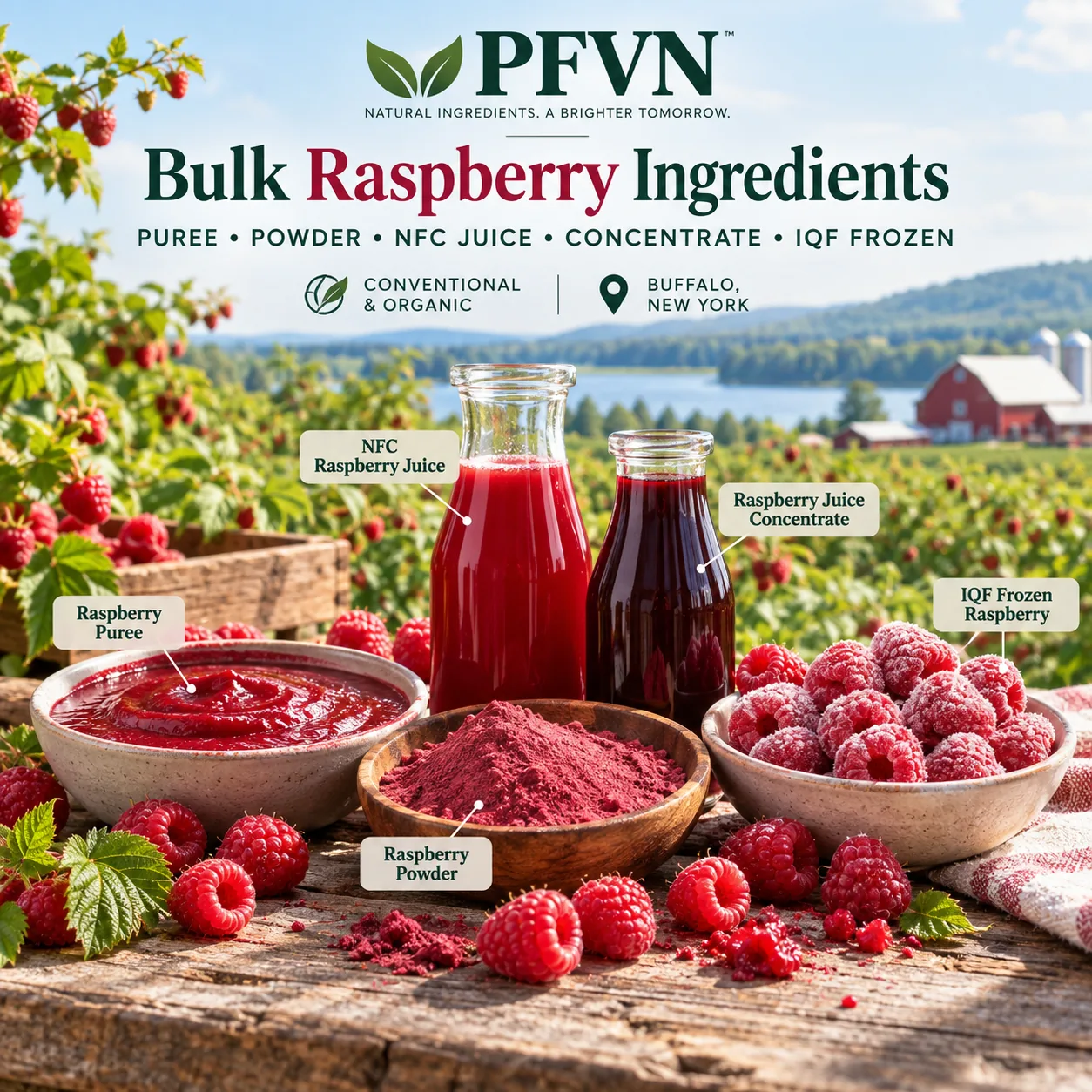
Raspberry High-impact berry acidity

Raspberry provides vivid berry aroma and strong acidity, allowing it to remain recognizable at comparatively modest use levels in sparkling, functional and mixed-fruit beverages.

A representative red raspberry concentrate is around 65° Brix, pH approximately 2.1–3.6, with high citric-acid-based titratable acidity and a single-strength reference near 9.2° Brix.

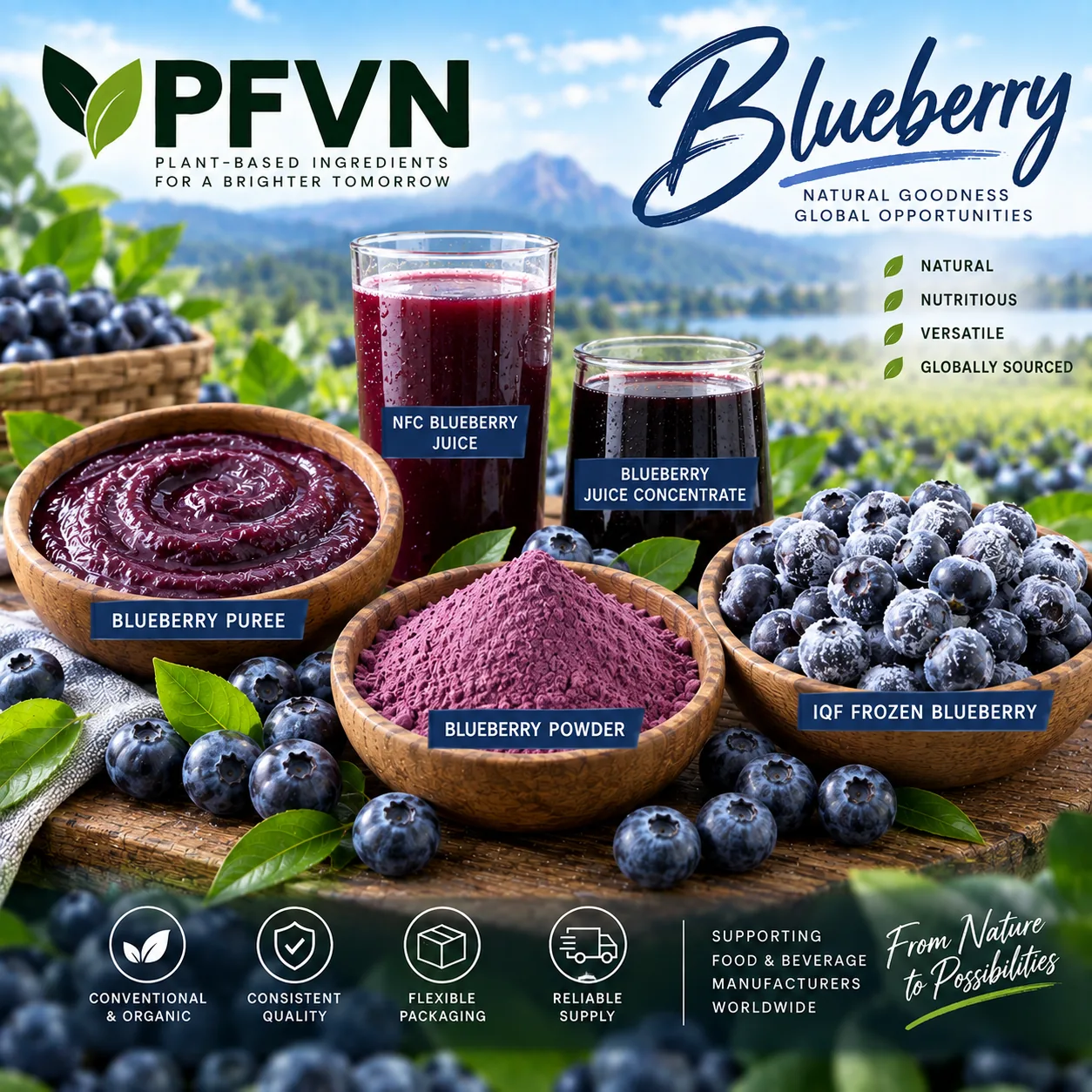
Blueberry Dark berry with softer acidity

Blueberry contributes dark berry flavor and blue-purple color while typically presenting a rounder flavor than raspberry or blackberry.

Representative commercial concentrate is around 65° Brix, with a single-strength reference near 10° Brix and pH commonly in the approximate 2.4–3.4 range for wild blueberry examples.

Blackberry Rich berry flavor & strong acid load

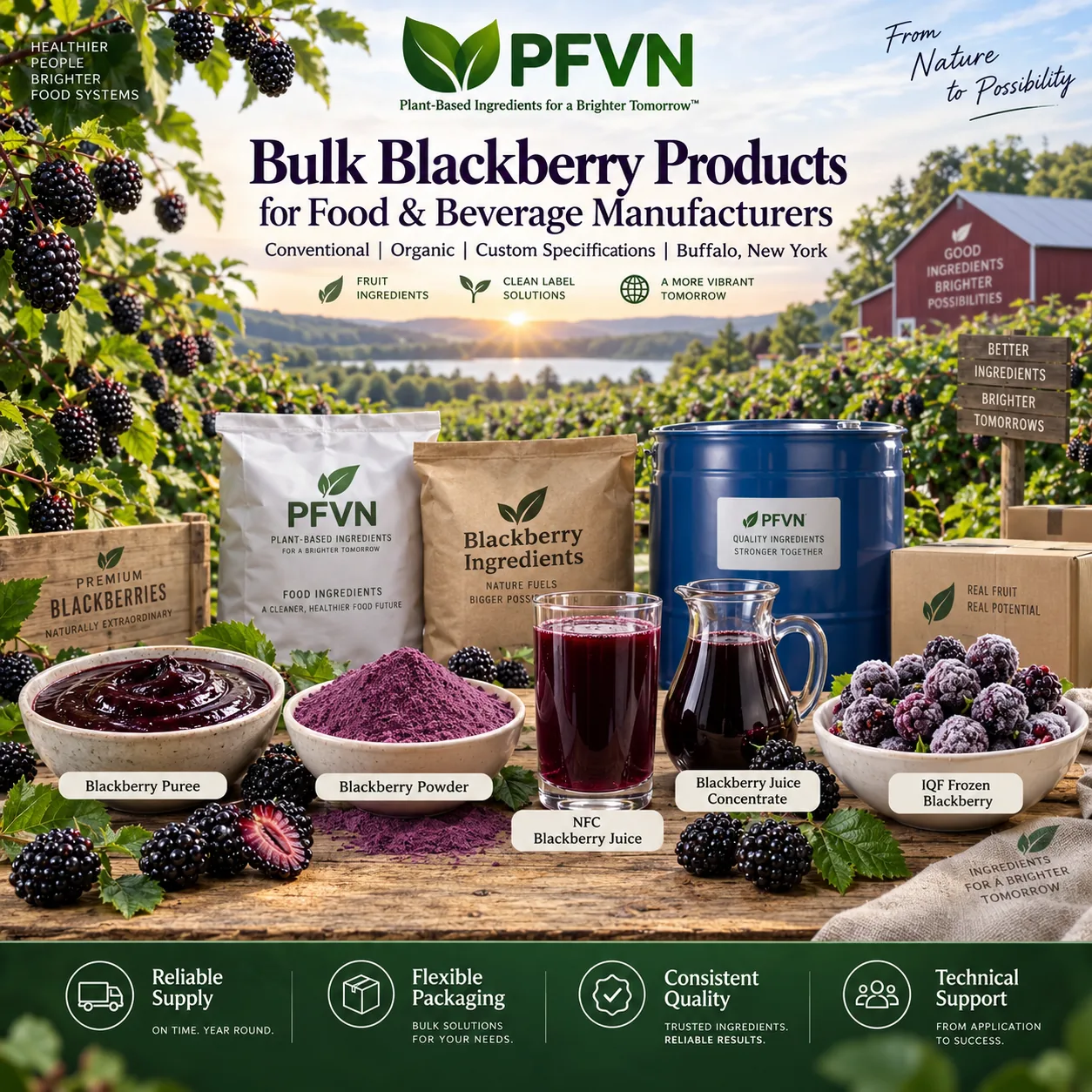
Blackberry provides deep berry aroma, red-purple color and pronounced acidity that can significantly affect finished sweetness-acid balance.

Commercial examples are around 65° Brix, with pH approximately 2.0–3.7 and a 10° Brix single-strength reference.

Tart cherry Bright red fruit & malic acidity

Tart or sour cherry delivers a distinct sharp cherry profile and works particularly well in functional beverages, sparkling drinks, sports-style beverages and fruit blends.

Representative sour cherry concentrate is approximately 65° Brix, with acidity commonly reported as malic acid, pH roughly 2.6–4.2 and a single-strength reference near 14° Brix.

Fruit blends Build sweetness, acidity and aroma deliberately

Mild or sweet fruits can provide base solids while citrus, raspberry, blackberry or tart cherry provide stronger acidity and top-note character. Develop the final blend as one complete system rather than balancing each fruit independently.

Technical reference: These figures illustrate current commercial concentrate formats and are not universal PFVN specifications. Variety, crop, origin and processor can materially change Brix, acidity, pH, pulp, color and flavor.
Technical specification

Translate the fruit profile into measurable purchasing criteria

Concentrate approval should capture the analytical parameters that determine dilution, sweetness-acid balance, plant metering and finished beverage consistency.

  • Direct °Brix: soluble-solids concentration measured under the supplier's stated method
  • Acid-corrected Brix: useful for highly acidic fruits where acids affect refractometer readings
  • Titratable acidity: total acid contribution, including the acid basis used for reporting
  • pH: useful for formulation and process control but not interchangeable with titratable acidity
  • Specific gravity: supports weight-to-volume conversion and bulk metering
  • Pulp / cloud: especially important in citrus and less-clarified beverage systems
  • Clarity: important in clear waters, teas and sparkling beverages
  • Color: critical for blood orange, berry and cherry products
  • Flavor / aroma: characteristic fruit profile without fermented, scorched or caramelized notes
  • Microbiological limits: align with the intended beverage process and quality program
Reconstitution & formulation

Do not use concentrate Brix alone to set beverage dosage

Reconstitution ratios can be useful when returning a concentrate toward its juice-equivalent single-strength level, but many manufactured beverages use concentrate directly as part of a larger formulation.

Citrus Mandarin / tangerine

Representative 65° Brix products use approximately 1 part concentrate to 5.93 parts water to return toward an 11.8° Brix single-strength reference.

Strawberry Lower single-strength Brix

A representative 65° Brix strawberry concentrate uses approximately 1 part concentrate to 9.39 parts water toward an 8° Brix reference.

Raspberry High acidity at similar concentrate solids

A representative 65° Brix raspberry concentrate uses approximately 1 part concentrate to 7.99 parts water toward a 9.2° Brix reference.

Blueberry / blackberry Dark berries

Representative 65° Brix products use roughly 1 part concentrate to 7.2 parts water toward a 10° Brix single-strength reference.

Tart cherry Higher single-strength reference

Representative 65° Brix sour cherry concentrate uses approximately 1 part concentrate to 4.8 parts water toward a 14° Brix reference.

Finished beverage Formulate to the actual target

Juice percentage, sweetness system, finished Brix, acidity, sensory profile and labeling requirements should determine actual use rate rather than a generic reconstitution ratio.

Formulation architecture

Balance Brix, acidity, flavor and physical form together

Two 65° Brix concentrates can contribute similar soluble solids but very different sensory and acid loads. Raspberry or blackberry can shift tartness much more aggressively than a softer strawberry or citrus blend.

Bench formulations should therefore compare realistic concentrate levels while measuring finished Brix and acid balance. Repeat the evaluation after the intended thermal, cold-fill, carbonation or refrigerated process because aroma and color can change after processing.

Useful development checkpoints

  • Target finished °Brix
  • Target pH and titratable acidity
  • Juice percentage / reconstitution basis
  • Flavor intensity after processing
  • Clarity, cloud, pulp or sediment target
  • Color after processing and storage
  • Sweetener interaction where additional sweetening is used
  • Package and distribution conditions
Major industrial applications

Where juice concentrates are used in beverage manufacturing

Concentrates can support both characterizing fruit beverages and lower-dose fruit systems where color, acidity or flavor complexity are needed.

Juice beverages Juice drinks & nectars

Concentrates can supply fruit solids, flavor and acidity while allowing the manufacturer to control final dilution, juice content and sweetness.

Carbonated Sparkling beverages & sodas

Citrus, berry and cherry concentrates provide fruit character in carbonated systems. Evaluate flavor and foam behavior after carbonation rather than only before it.

Functional Functional & wellness beverages

Tart cherry, berry and citrus concentrates are commonly considered for fruit-forward functional concepts where a strong sensory profile is needed alongside other formulation components.

Energy & sports Energy and hydration drinks

High-impact citrus and berry concentrates can provide identifiable fruit character in formulas containing acids, electrolytes, sweeteners and other strong-tasting ingredients.

Tea Tea & botanical beverages

Blood orange, mandarin, raspberry, blackberry and tart cherry can complement tea and botanical profiles while contributing fruit acidity and color.

Dairy / plant-based Fruit dairy beverages

Strawberry and berry concentrates can be used in dairy or plant-based drinks, but fruit acidity and protein interaction should be evaluated during formulation and thermal processing.

Foodservice Syrups & beverage bases

High-Brix concentrates can be incorporated into bag-in-box syrups, foodservice bases and other concentrated systems that are diluted before serving.

Frozen Frozen beverage bases

Concentrates provide fruit solids and flavor in slush, frozen cocktail, smoothie and other frozen beverage bases where freeze concentration changes perceived sweetness and aroma.

Process & stability

Evaluate the fruit after the complete beverage process

Concentrate performance can change through dilution, heat, filtration, carbonation, oxygen exposure and storage. Raw ingredient tasting is useful for screening but does not replace finished-beverage testing.

Separation

Cloud or sediment changes

Review concentrate clarity, pulp, particle size, density, pH and interactions with stabilizers or other ingredients.

Sensory

Fruit flavor fades

Compare raw and processed samples and review heat load, oxygen pickup, holding time and sweetness-acid balance.

Acid balance

Beverage becomes too tart

Review titratable acidity and actual concentrate dosage. High-acid raspberry, blackberry or tart cherry can shift balance even when finished Brix is unchanged.

Color

Color shifts in storage

Evaluate pH, oxygen, light, heat history and package barrier, particularly for blood orange, berries and cherry.

Consistency

Brix is off target

Check incoming concentrate Brix, dilution water, weighing accuracy, evaporation and the temperature and method used for analytical measurement.

Citrus

Pulp or ring formation changes

Review incoming pulp specification, mixing, homogenization where applicable, cloud system and finished-package storage.

Commercial supply

Match packaging and storage to production volume

Commercial juice concentrates may be supplied in polyethylene pails, lined steel drums and other industrial liquid formats. Some products may also be available in aseptic or larger bulk programs.

Many commercial berry and citrus concentrates are sold frozen, but recommended frozen, refrigerated or aseptic storage conditions vary by exact product. Shelf life should therefore be taken from the current supplier specification rather than generalized across the category.

High-Brix concentrates can become viscous or crystallize under cold storage. Production planning should account for controlled thawing or tempering, agitation where appropriate and accurate metering into the beverage batch.

Commercial comparison points

  • Net pack weight
  • Usable yield per batch
  • Frozen / refrigerated / aseptic storage
  • Minimum order quantity
  • Freight and pallet efficiency
  • Approved origin and crop availability
  • Organic or other certification requirements
  • Lead time and recurring supply program
Quality & documentation

Beverage QA and supplier qualification

The commercial file should define the analytical, sensory and documentation requirements needed to reproduce the approved beverage from lot to lot.

  • Current technical specification
  • Certificate of Analysis where applicable
  • Ingredient declaration
  • Brix, pH and titratable acidity
  • Specific gravity where relevant
  • Pulp / clarity specification where relevant
  • Flavor and color acceptance
  • Microbiological specification
  • Allergen statement
  • Country-of-origin information
  • Organic or other certification where required
  • Storage, shelf-life and packaging specification