Application overview

Confectionery Powder Applications

Fruit powders for industrial confectionery formulation

Fruit powders allow confectionery manufacturers to introduce fruit flavor, natural color, acidity and fruit-derived solids in a low-moisture format. They are especially useful where adding puree or liquid juice would introduce unwanted water or make solids control more difficult.

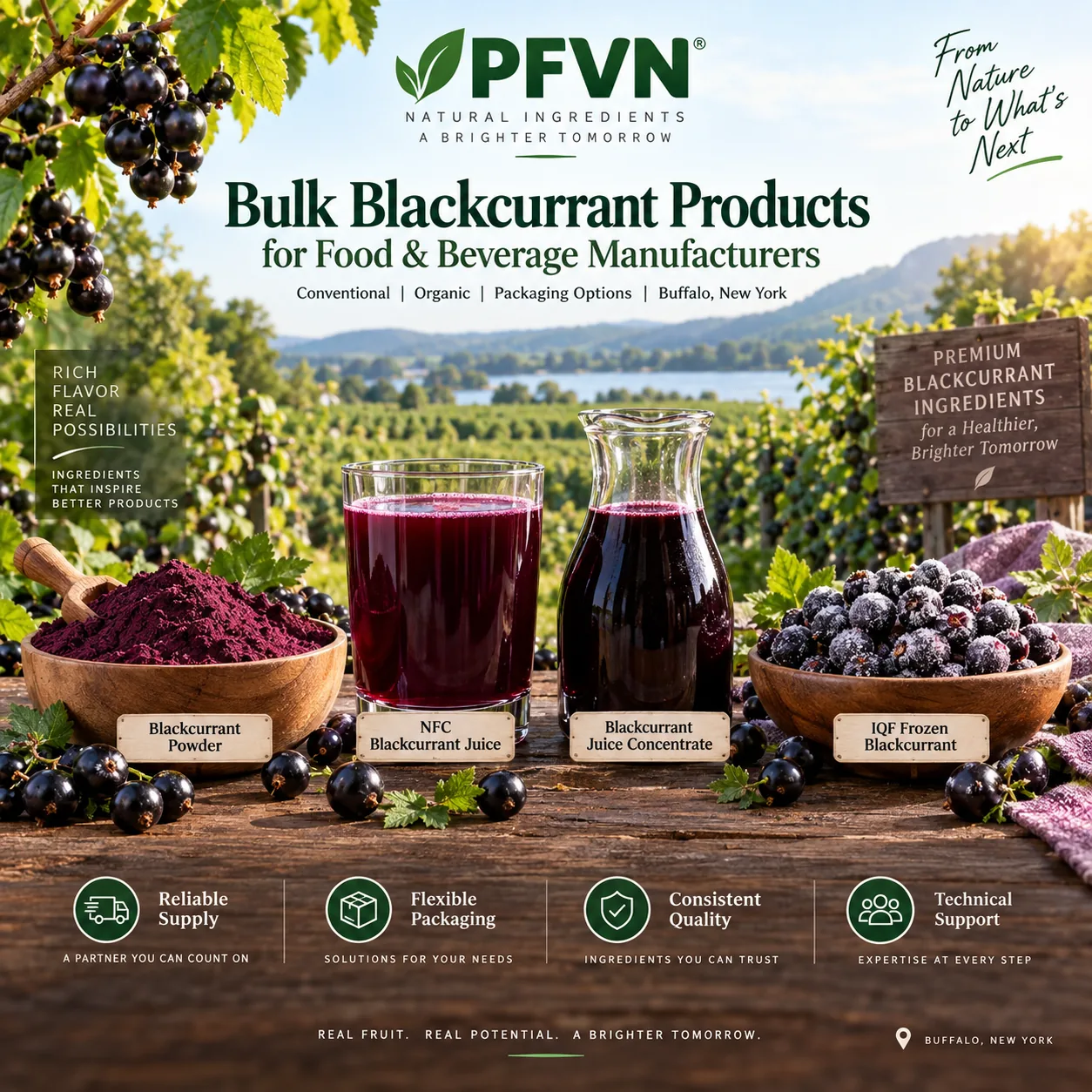
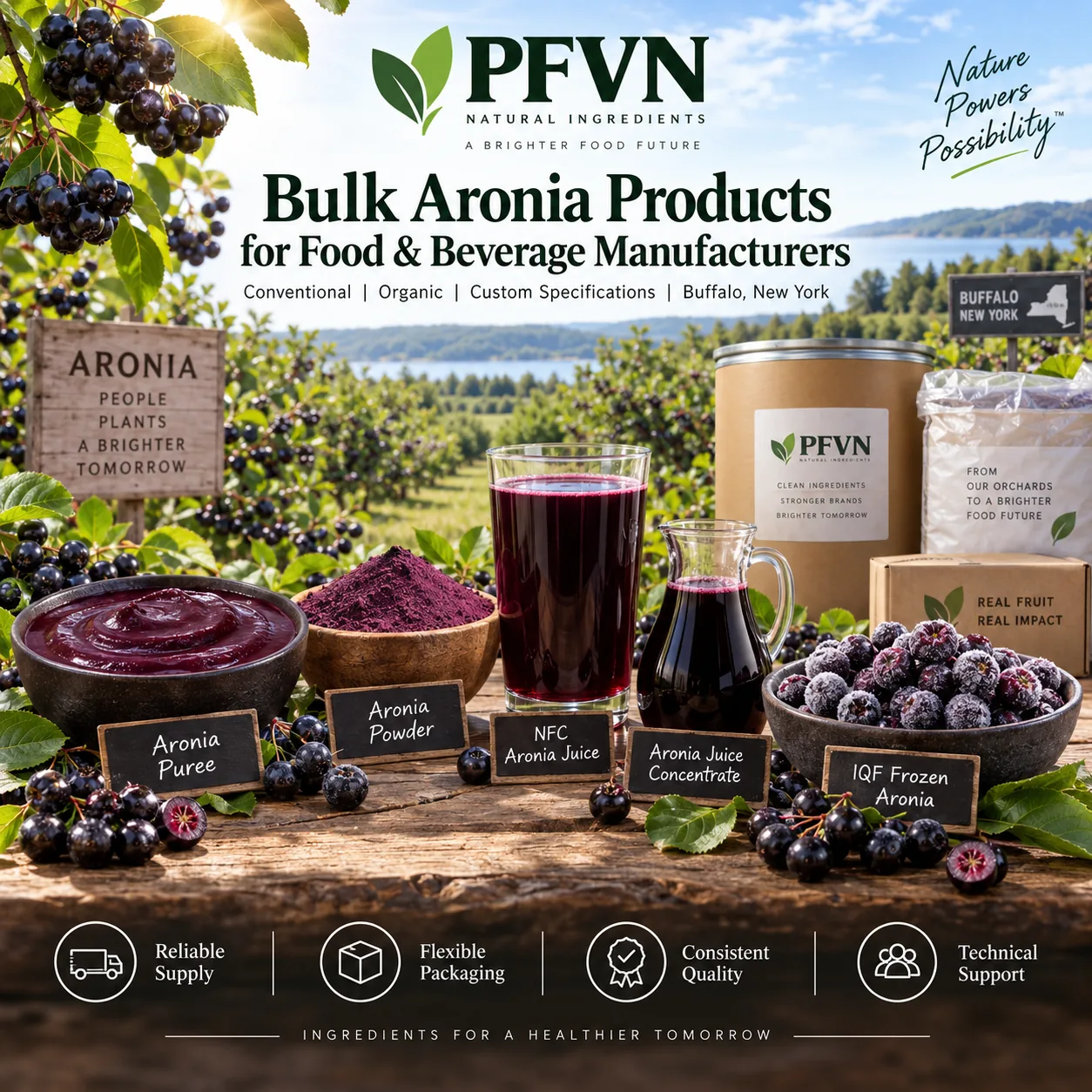
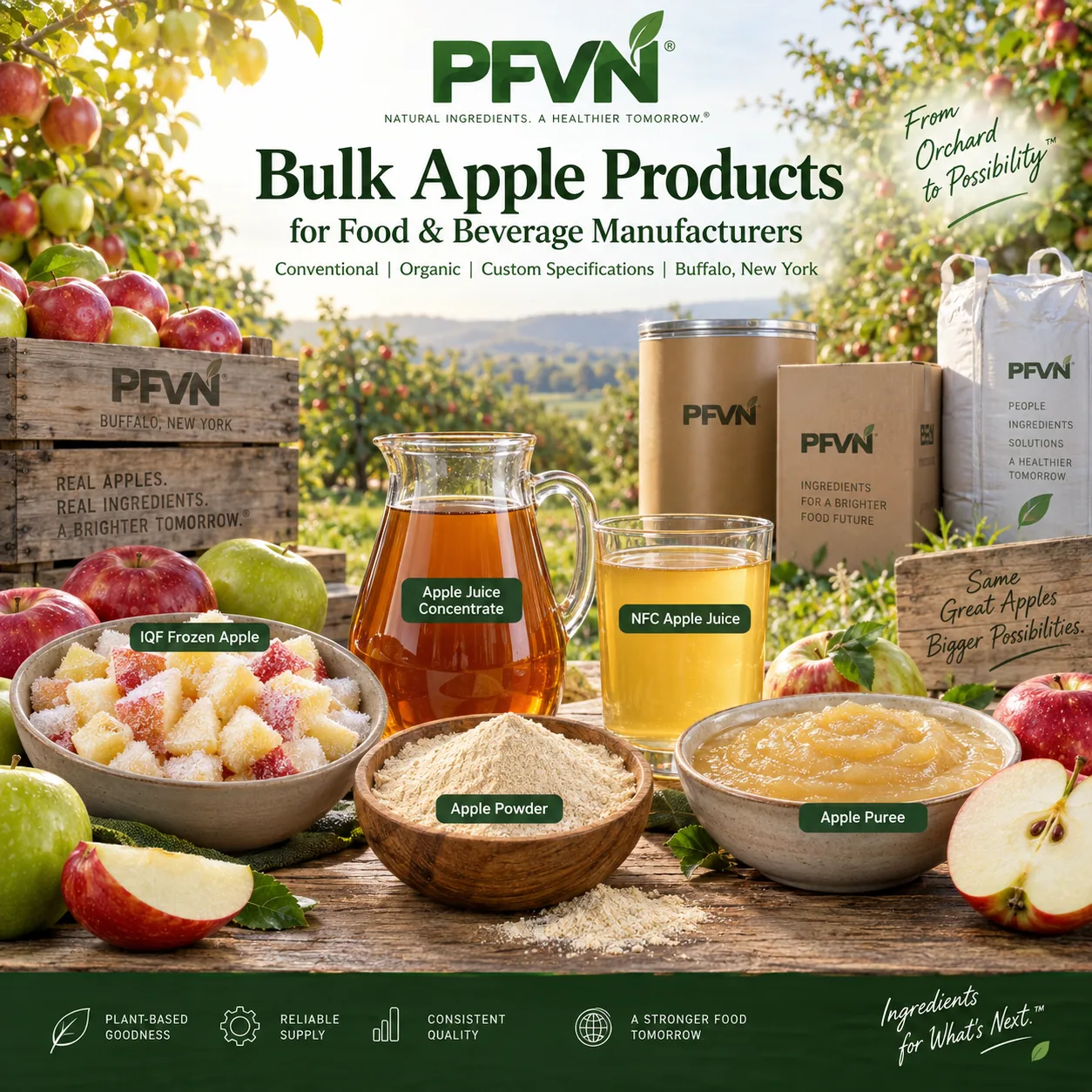
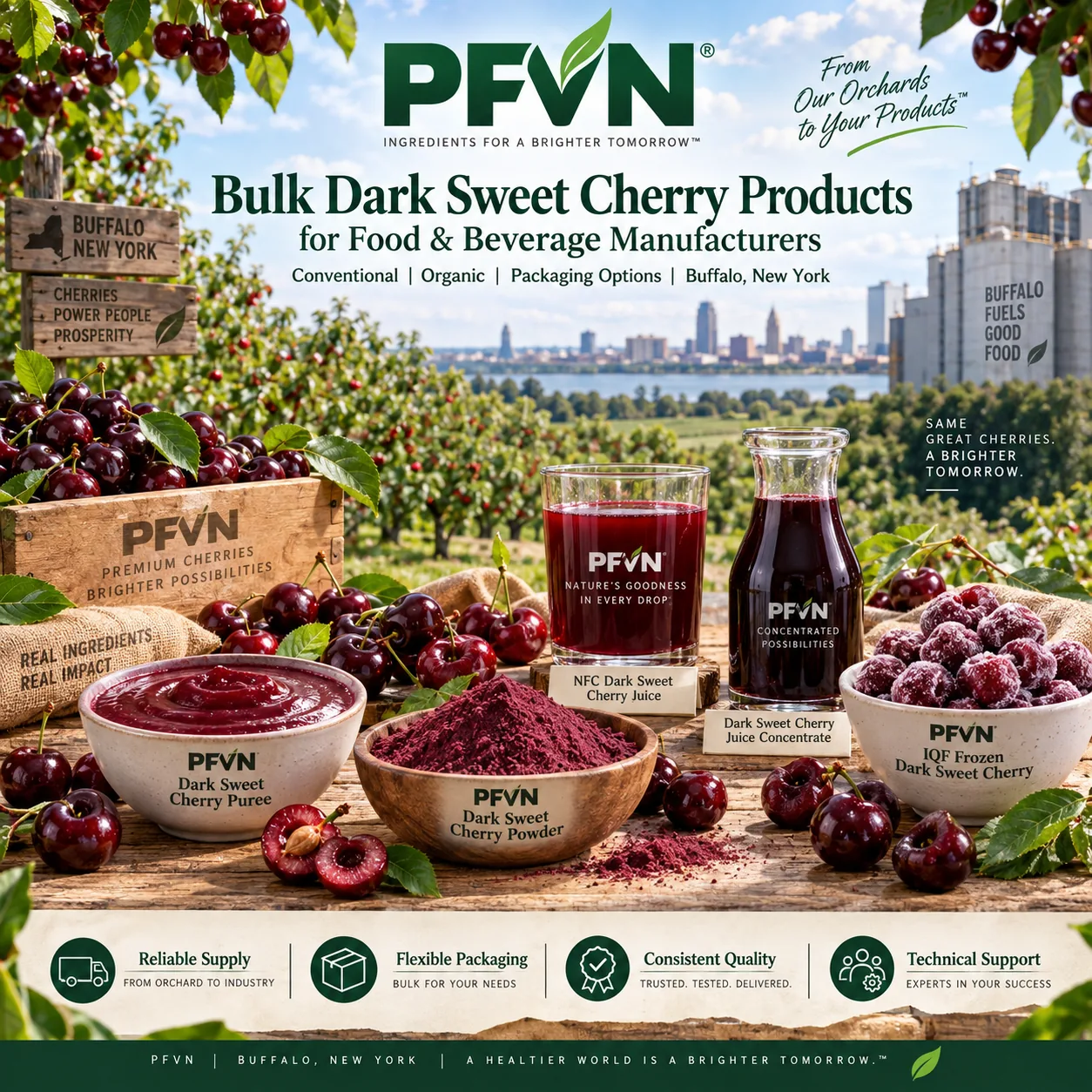
Tart cherry, cranberry, raspberry-type and dark berry powders can provide pronounced acidity and strong fruit character, while dark sweet cherry and apple generally offer rounder flavor profiles. Blackcurrant, elderberry, aronia and açaí contribute darker fruit notes and visually intense color systems that can be useful in premium confectionery concepts.

The commercial powder should be evaluated according to its actual composition and manufacturing method. Fruit variety, maturity, drying technology, fruit-solids concentration, carrier system, moisture and particle size can all influence dosage, flavor intensity, color, flow and finished confectionery performance.

Choose the powder around the confectionery system

A powder used in a gummy or jelly has different requirements from one used in chocolate, a dry sour coating or a compressed confection. In water-containing systems, hydration and acidity become important; in fat-based systems, low moisture and particle behavior are usually more critical.

Define whether the powder is expected to provide primary fruit flavor, supporting acidity, natural color, visible fruit identity or simply a secondary flavor layer. That role should determine the specification and use level.

Qualification reminder: Fruit powder characteristics vary by fruit, origin, raw-material quality, drying process, fruit-solids content, carrier system and supplier. Confirm the current technical specification, ingredient declaration, microbiological criteria, packaging, storage conditions, shelf life and certifications before commercial approval.
Fruit characteristics

How different fruits perform in confectionery

The natural sugar-acid balance, pigments and aromatic profile of the original fruit continue to influence the powder after drying. These characteristics help determine which fruit works best for a particular confectionery style.

Sour cherry Tart Cherry

Provides pronounced cherry acidity and recognizable tart-fruit character. It is useful in gummies, sour confectionery, centers, coatings and dark-chocolate combinations.

Sweet cherry Dark Sweet Cherry

Offers a fuller, sweeter cherry profile with dark-fruit character, making it suitable for premium chocolate, filled confectionery and softer fruit flavor systems.

High-acid fruit Cranberry

Contributes strong tartness and red fruit character. Its natural acidity can complement sour gummies, fruit chews, dustings and blended berry profiles.

Dark berry Blackcurrant

Provides intense aroma, pronounced acidity and deep dark-fruit color. It can deliver strong sensory impact in premium gummies, hard candy and chocolate-centered applications.

Dark fruit Elderberry & Aronia

Both can contribute dark red-purple color and distinctive fruit character. Aronia is typically more astringent, while elderberry can support rich berry-style flavor systems.

Tropical dark fruit Açaí

Açaí provides a dark-fruit profile commonly associated with premium and specialty formulations. Powder composition should be reviewed carefully because available commercial formats can differ significantly.

Versatile fruit Apple

Apple powder offers mild fruit character and can support more delicate confectionery systems, fruit blends, fillings or formulas where a strong dark-fruit profile is not required.

Agricultural variation Crop, variety & maturity

Raw-fruit sugar, acid, color and aroma can vary by variety, maturity and crop origin. Commercial powder approval should therefore combine analytical limits with sensory evaluation.

Powder composition

Understand what is actually in the fruit powder

The term fruit powder can describe several different commercial formats. Understanding the manufacturing process and fruit-solids basis is essential when comparing suppliers or calculating effective use cost.

Spray dried Juice or puree powders

Spray-dried powders often use a carrier system to support drying, improve flow and reduce stickiness. Confirm the ingredient declaration and actual fruit-solids basis.

Freeze dried High fruit identity

Freeze-dried fruit materials can retain strong fruit character and porous particle structure, but may have different handling, particle-size and commercial economics than spray-dried powders.

Whole fruit Fiber-containing powders

Powders retaining more skin, pulp or whole-fruit material may contain greater insoluble solids and fiber, influencing texture and appearance in the finished confection.

Carrier system Composition affects dosage

Maltodextrin or other permitted carrier materials may be present depending on the drying process. Carrier level can affect flavor intensity, color, labeling and cost at use.

Technical specification

Key fruit powder parameters for confectionery

Specifications should concentrate on characteristics that influence storage, dosing, blending, flavor delivery and the finished confectionery system.

Moisture Moisture content

Moisture affects caking, flow and storage stability. Low-moisture control is particularly important in chocolate, dry coatings and other water-sensitive confectionery systems.

Stability Water activity

Where relevant, water activity provides additional information about available moisture and can help characterize physical and microbiological stability.

Particle profile Particle-size distribution

Particle size influences dust, blending, mouthfeel, suspension and surface appearance. Fine powders are useful for uniform coatings but can be more difficult to handle.

Density Bulk density

Bulk density affects volumetric dosing, package utilization and blend segregation when fruit powder is combined with sugar, acids or other powdered ingredients.

Composition Fruit-solids content

Compare the actual fruit-derived solids and carrier basis when evaluating products from different manufacturing processes or suppliers.

Sensory Flavor & aroma

Approve representative powder for characteristic fruit flavor and absence of oxidized, stale, excessively cooked or otherwise atypical notes.

Appearance Color

Berry and dark-fruit pigments can respond to pH, heat, oxygen and light. Evaluate color in the actual confectionery matrix and through shelf life.

Acidity Acid contribution

For tart fruits, natural organic acids can materially affect sourness and final acid balance, particularly in gummies, chews and fruit centers.

High-solids formulation

Account for sugar, acid, heat and structure

Confectionery systems commonly operate at high soluble-solids levels. Fruit powders can affect flavor intensity, acidity, color, viscosity, set characteristics and water balance depending on their composition and use level.

In gummy, jelly and center systems, the powder may interact with gelatin, pectin, starch or other structuring ingredients. When fruit powders have significant natural acidity, addition timing should be validated so the powder does not interfere with hydration or gel development.

Useful development checkpoints

  • Fruit powder inclusion rate
  • Finished soluble solids
  • Final pH and acidity
  • Gel or center structure
  • Cook exposure
  • Deposit viscosity
  • Color after processing
  • Flavor after equilibration
  • Water activity
  • Finished storage texture
Industrial applications

Where fruit powders are used in confectionery

Low-moisture fruit ingredients are useful across confectionery systems where manufacturers want concentrated fruit flavor, color or fruit solids without introducing substantial liquid.

Gummies

Gummies & Jellies

Fruit powders can provide flavor, color and supplemental acidity in gelatin-, pectin- or starch-based gummy and jelly systems.

Chews

Fruit Chews & Taffy

Fine fruit powders can contribute concentrated fruit identity in chewy confectionery where liquid additions need to be controlled.

Chocolate

Chocolate & Compound Coatings

Low-moisture fruit powders can be incorporated into selected chocolate, compound coating and fat-based systems to provide fruit flavor and visual differentiation.

Centers

Filled Chocolates & Confectionery Centers

Fruit powders can support cream, fondant and other confectionery centers where additional fruit character is desired without introducing large amounts of liquid.

Sour confectionery

Sour Dustings & Surface Coatings

Tart fruit powders can be combined with sugars and food acids in surface systems for gummies, chews and other sour confectionery products.

Hard candy

Hard-Boiled & Deposited Candy

Selected fruit powders can support fruit flavor and color in high-solids confectionery, subject to appropriate dispersion and heat stability.

Compressed

Tablets & Pressed Confectionery

Dry fruit powders can be incorporated into compressed systems where particle size, flow and moisture control are especially important.

Decorative

Chocolate, Truffle & Candy Dustings

Fine fruit powders can provide natural-looking surface color and concentrated fruit flavor on selected premium confectionery products.

System compatibility

Match the fruit powder to water-, sugar- or fat-based systems

The same powder can behave very differently depending on the surrounding confectionery matrix. Compatibility should therefore be tested in the actual system rather than inferred from powder appearance alone.

Water-containing systems

In gummies, jellies, fillings and chews, evaluate hydration, acidity, soluble solids and interaction with the selected gelling or thickening system.

Fat-based systems

In chocolate and compound coatings, moisture control and fine particle size become particularly important because free water can negatively affect processing behavior.

Dry surface systems

For dustings and powdered coatings, flowability, particle size, color uniformity and moisture pickup influence both manufacturing and shelf-life performance.

Qualification pathway

From bench trial to commercial confectionery line

A representative sample is useful for screening, but commercial approval should connect the powder specification with the finished confectionery process and performance.

Recommended approval stages

  1. Review current technical data and ingredient declaration.
  2. Confirm fruit basis, drying method and carrier system where applicable.
  3. Evaluate representative powder for color, aroma, flavor and flow.
  4. Run a bench formula at the intended inclusion rate.
  5. Check cook, hydration, set, deposit or coating behavior as applicable.
  6. Run a production-representative pilot.
  7. Complete relevant shelf-life and packaging evaluation.
  8. Lock the commercial powder specification and documentation requirements.

Record the powder lot, inclusion level, analytical data, process settings and finished-product results during successful trials. These records help distinguish critical purchase-specification limits from informational parameters.

Heat, color & flavor stability

Evaluate fruit character after confectionery processing

High-temperature cooking, prolonged holding and exposure to oxygen can reduce fresh fruit aroma or alter color. Powder performance should therefore be evaluated after the complete process rather than only in the dry state.

Heat Flavor retention

Compare fruit aroma before and after cooking. Some delicate top notes may decrease while cooked fruit notes become more apparent.

pH Pigment response

Dark berry and red-fruit pigments can change appearance with pH. Approve color at the final confectionery pH rather than in water alone.

Oxygen Oxidation control

Limit unnecessary air exposure where oxidation could reduce fruit aroma or alter sensitive color compounds.

Light Package protection

Some fruit-derived colors can change during storage when exposed to light, making final package selection part of the stability evaluation.

Time Equilibration

Evaluate the confection after the center, coating or shell has reached normal moisture and flavor equilibrium rather than judging it only immediately after production.

Benchmark Track sensory consistency

Retain an approved commercial benchmark where fruit flavor and color consistency are especially important.

Packaging & plant handling

Protect fruit powders from moisture and oxygen

Fruit powders are commonly supplied in food-grade moisture-protective lined bags, bag-in-box configurations or fiber drums. Exact pack style and net weight depend on the ingredient and commercial source.

Because many fruit powders can absorb atmospheric moisture, open-pack handling may be as important as unopened shelf life. Resealing and production procedures should minimize unnecessary exposure.

Moisture barrier Protect powder flow

Appropriate liner and package barrier help reduce moisture pickup, caking and loss of flowability during storage.

Oxygen barrier Protect flavor & color

Oxygen-sensitive fruit aroma or pigments may benefit from suitable barrier packaging depending on the product and intended shelf life.

Usage rate Match pack size to batch consumption

A suitable pack reduces repeated opening and unnecessary storage of partially used powder while avoiding excessive handling of small containers.

Charging Plan for dust and flow

Fine powders can create dust or bridge in hoppers, so confirm compatibility with manual charging, vacuum transfer or automated feeders.

Storage Keep dry and protected

Follow supplier-recommended storage conditions and avoid prolonged exposure to elevated humidity or unnecessary heat.

Logistics Review pallet efficiency

Bag dimensions, net weight, pallet configuration and freight density influence delivered cost and warehouse requirements.

Troubleshooting

When confectionery powder performance changes

Compare incoming powder data, formulation records and process conditions against the approved benchmark before changing the recipe. Powder composition and storage history can influence performance as much as formulation changes.

Development check

Powder cakes in storage

Review incoming moisture, package integrity, warehouse humidity and partial-pack resealing practices.

Development check

Fruit flavor is too weak

Compare fruit-solids content, carrier level, powder use rate, heat exposure and storage age with the approved benchmark.

Development check

Color shifts after cooking

Review process temperature, pH, oxygen exposure and the behavior of the fruit's natural pigment system.

Development check

Gel is weak or inconsistent

Review acid contribution, addition timing, finished solids, powder variability, cook endpoint and the selected gelling system.

Development check

Center becomes sticky

Evaluate finished solids, water activity, moisture migration, powder composition and package barrier.

Development check

Dry coating separates

Compare particle size and bulk density of the fruit powder with sugar, acid and other powdered components in the blend.

Quality & documentation

Confectionery powder QA and supplier documentation

The commercial specification should identify the powder properties that materially affect flavor, processing and finished-product stability. Documentation should correspond to the actual powder composition and production source.

  • Current technical specification
  • Ingredient declaration
  • Fruit-solids / carrier declaration
  • Certificate of Analysis where applicable
  • Moisture specification
  • Particle-size information where relevant
  • Microbiological specification
  • Allergen statement
  • Country-of-origin information
  • GMO-status documentation where required
  • Organic or other certification documents where applicable
  • Storage, shelf-life and packaging specification
Commercial evaluation

Compare powder cost on a finished-product basis

Fruit powder prices can vary considerably according to fruit, crop availability, drying technology, fruit-solids concentration, carrier system, origin and packaging. Purchase price per kilogram alone does not show the complete formulation economics.

Fruit solids Compare equivalent composition

Review the proportion of fruit-derived material and carrier when comparing powder offers from different suppliers.

Dosage Evaluate cost at use level

A more concentrated powder may justify a higher kilogram price if it achieves the desired flavor and color at a lower inclusion rate.

Yield Account for handling loss

Dusting, bag residue and powder retained in transfer equipment can influence practical consumption during production.

Crop Consider agricultural availability

Fruit crop size, season and processing capacity can influence availability, price and lead time for fruit-derived powders.

Packaging Match pack to production scale

Pack size should support realistic batch consumption and inventory rotation without excessive partial-pack storage.

Volume Share annual requirements

Trial quantity, commercial order size, purchasing frequency and annual volume help suppliers evaluate production and pricing feasibility.